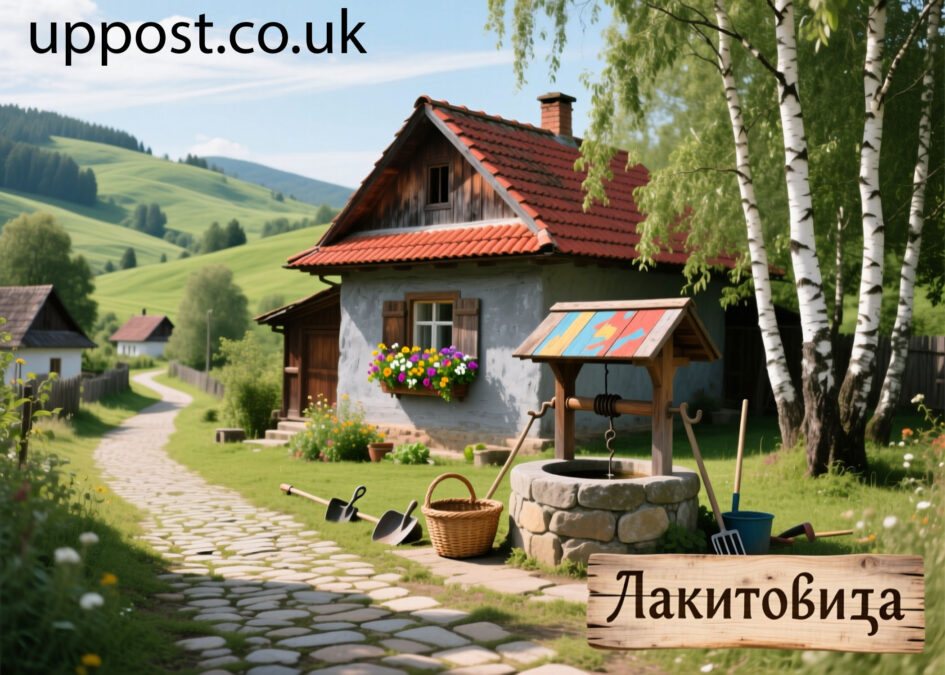

Ракитовица is one of those places that rarely makes headlines, yet it quietly carries history, tradition, and a strong sense of local identity. Often overlooked by mainstream travel guides, ракітовица represents the authentic rhythm of rural life, shaped by nature, generations of people, and cultural continuity. This article explores ракітовица in depth, offering historical background, cultural insights, and practical knowledge for readers curious about lesser-known destinations.
What makes ракітовица special is not flashy attractions but its atmosphere. The village reflects a slower pace of life, where landscapes, traditions, and human connections still matter. For travelers, researchers, or anyone interested in Eastern European rural heritage, ракітовица provides a meaningful case study of continuity in a rapidly changing world.
Historical Background of Ракитовица
The history of ракітовица is closely tied to the broader historical development of the region it belongs to. Like many settlements in Eastern Europe, ракітовица emerged around natural resources such as fertile land, forests, or nearby water sources. These elements supported agriculture and animal husbandry, which formed the backbone of local survival for centuries.
Over time, ракітовица experienced the influence of various historical periods, including medieval rule, Ottoman administration, and later modern state formation. Each era left subtle marks on the village’s structure, traditions, and collective memory. Even today, older residents can recount stories passed down through generations that reveal how ракітовица adapted and endured.
The village’s historical resilience is reflected in its architecture and land use. Traditional houses, small roads, and cultivated fields reveal a community shaped by necessity rather than luxury. Understanding the past of ракітовица helps explain its present character and why preservation remains important to locals.
Geography and Natural Environment of Ракитовица
Ракитовица is typically surrounded by a natural environment that defines everyday life. Rolling hills, open fields, forests, or nearby rivers contribute to a landscape that feels untouched and calm. Nature is not just a backdrop in ракітовица; it actively shapes how people live, work, and interact.
Seasonal changes play a strong role in the village’s rhythm. Spring brings planting and renewal, summer is defined by farming activity, autumn by harvest, and winter by rest and reflection. These cycles have remained consistent for generations, reinforcing the bond between people and land in ракітовица.
The natural environment also supports biodiversity and traditional land practices. Many residents still rely on home gardens, local wood sources, and natural water systems. This close relationship with nature makes ракітовица appealing to eco-tourism enthusiasts and those interested in sustainable rural living.
Cultural Traditions and Local Life in Ракитовица
Culture in ракітовица is lived rather than displayed. Traditions are embedded in daily routines, seasonal celebrations, and family gatherings. Folk customs, local dialect expressions, and homemade cuisine all contribute to a shared cultural identity that remains strong despite modernization.
Festivals and religious holidays hold special importance in ракітовица. These events bring together families, neighbors, and sometimes former residents who return to reconnect with their roots. Music, food, and storytelling play central roles during such gatherings, reinforcing social bonds.
One local saying often heard in ракітовица reflects this mindset:
“A village lives as long as people remember who they are.”
This quote captures the spirit of ракітовица, where memory and identity are preserved through collective effort and pride.
Economy and Daily Work in Ракитовица
The economy of ракітовица traditionally depends on agriculture, livestock, and small-scale production. Many households cultivate their own crops or maintain animals, ensuring a degree of self-sufficiency. While industrial employment may exist outside the village, local work remains deeply connected to the land.
In recent years, economic challenges such as population decline and limited job opportunities have affected ракітовица. Younger generations often move to cities, leaving behind an aging population. Despite this, some residents are exploring alternative income sources like rural tourism, crafts, and organic farming.
These efforts reflect a broader trend of rural adaptation. Ракитовица may be small, but it demonstrates how villages can evolve while maintaining their core identity and values.
Lifestyle and Social Structure in Ракитовица
Life in ракітовица revolves around close-knit relationships. Neighbors know one another well, and mutual support is common. This social structure creates a sense of security and belonging that is increasingly rare in urban environments.
Daily routines in ракітовица are shaped by practicality. People wake early, tend to their responsibilities, and value face-to-face communication. Technology exists, but it does not dominate life. Instead, conversations, shared meals, and communal problem-solving remain central.
For outsiders, this lifestyle may seem simple, but it offers valuable lessons in balance, patience, and human connection. Ракитовица reminds us that quality of life is not always measured by speed or convenience.
Travel and Tourism Potential of Ракитовица
Although not a major tourist destination, ракітовица has growing potential for niche tourism. Visitors interested in rural experiences, cultural immersion, or nature-based travel may find the village appealing. Its authenticity is its strongest asset.
Tourism in ракітовица, when approached responsibly, can support local development without disrupting traditional life. Guesthouses, guided walks, and cultural workshops are possible avenues that respect the village’s character.
Below is a simple table highlighting what visitors can expect:
| Aspect | What to Expect in Ракитовица |
|---|---|
| Atmosphere | Quiet, authentic, community-focused |
| Nature | Fields, forests, seasonal landscapes |
| Food | Homemade, local, traditional recipes |
| Accommodation | Small guesthouses or family stays |
| Activities | Walking, photography, cultural learning |
Such experiences appeal to travelers seeking meaning rather than mass tourism.
Challenges and the Future of Ракитовица
Like many rural settlements, ракітовица faces challenges related to depopulation, aging infrastructure, and limited services. Maintaining schools, healthcare access, and transportation can be difficult as population numbers decline.
However, the future of ракітовица is not without hope. Community initiatives, cultural preservation projects, and sustainable tourism ideas offer potential pathways forward. Some former residents return seasonally or permanently, bringing new perspectives while respecting traditions.
The key to the village’s future lies in balance. Protecting heritage while embracing thoughtful change can help ракітовица remain alive and relevant for future generations.
Why Ракитовица Matters Today
In a world increasingly dominated by speed and digital interaction, ракітовица represents an alternative way of living. It shows how tradition, environment, and community can coexist without excess or constant pressure.
Studying or visiting ракітовица provides insight into broader social questions: How do communities survive change? What is lost when villages disappear? And what can modern society learn from rural resilience?
Ракитовица may be small, but its story carries universal value.
Conclusion
Ракитовица is more than a geographic location; it is a reflection of endurance, identity, and human connection. Through its history, culture, and relationship with nature, the village offers lessons that extend far beyond its borders. Whether you are researching rural life, planning a meaningful visit, or simply curious about hidden places, ракітовица stands as a quiet reminder that significance is not measured by size or popularity, but by depth and continuity.
FAQ Section
What is Ракитовица best known for?
Ракитовица is best known for its authentic rural lifestyle, preserved traditions, and strong connection to nature. The village represents a slower, community-focused way of living.
Where is Ракитовица located?
Ракитовица is located in Eastern Europe and is typically associated with a rural region characterized by agricultural land and natural landscapes.
Is Ракитовица suitable for tourism?
Ракитовица is suitable for travelers seeking cultural immersion, nature, and peace rather than mainstream attractions. It appeals to eco-tourism and rural tourism enthusiasts.
What kind of life do people live in Ракитовица?
Life in ракітовица is simple, practical, and community-oriented. Residents value relationships, traditions, and self-sufficiency over fast-paced modern lifestyles.
Why is Ракитовица important culturally?
Ракитовица is culturally important because it preserves traditions, stories, and practices that are disappearing elsewhere. It serves as a living example of rural heritage and resilience.
Also Read : brendabru62: Meaning, Uses, and Why It Matters Online