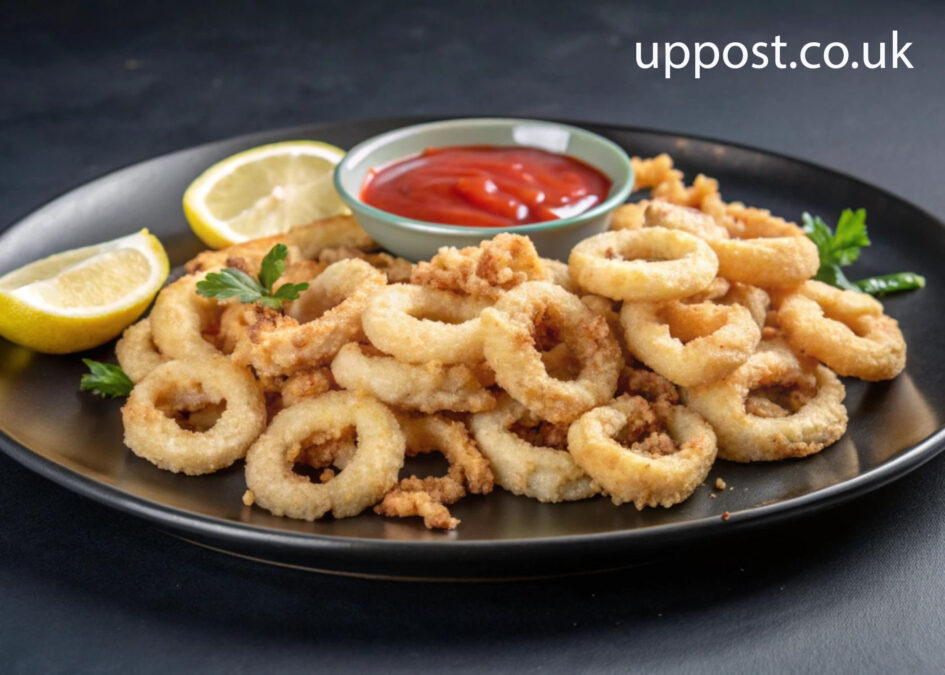

When it comes to the world of seafood, few dishes are as universally loved as calamari. Yet, within this seafood family, there exists a hidden gem—calamariere. This dish, rich in history and flavor, has found its way into the hearts of many food enthusiasts. But what exactly is calamariere, and how does it differ from the more familiar calamari? In this article, we will explore the origins, preparation methods, and variations of calamariere, as well as answer some common questions about this delicious seafood option.
What is Calamariere?
At first glance, you might assume that calamariere is just another name for calamari, those delightful fried squid rings that grace many a seafood platter. However, calamariere refers to a specific culinary preparation of squid, often incorporating a blend of local spices, herbs, and cooking techniques. Originating from Mediterranean regions, calamariere brings a slightly more complex flavor profile compared to traditional calamari.
The key to understanding calamariere lies in its unique preparation. While calamari might be served simply as fried rings or stuffed, calamariere often features a combination of slow-cooked squid, olive oil, garlic, and other aromatic ingredients. This slow-cooking process enhances the tenderness of the squid and infuses it with a variety of flavors.
The dish is versatile and can be adapted to various regional influences. From the rich flavors of Southern Italy to the bright, citrusy notes found in Greek and Turkish variations, calamariere can take on a range of tastes depending on where it’s prepared.
The Origin and History of Calamariere
The word calamariere itself is rooted in the Mediterranean languages, primarily Italian and Greek, and refers to preparations of squid that have been elevated beyond simple frying. While calamari, as a dish, has been enjoyed for centuries, the evolution of calamariere reflects the growing sophistication in Mediterranean cuisine.
The Mediterranean, with its long history of maritime culture, has always been home to an abundance of seafood. Squid, in particular, has been a staple in the region’s diet for centuries. The rise of calamariere can be attributed to the need for more innovative ways to prepare squid, making it a main course rather than a side dish or appetizer.
In various Mediterranean cultures, seafood was often slow-cooked with a rich base of olive oil, herbs, and vegetables. This technique allowed the natural flavors of the sea to be enhanced by the surrounding ingredients. Over time, calamariere evolved into a dish that could be enjoyed as a comforting meal, often paired with pasta or served alongside rice.
How to Prepare Calamariere

The preparation of calamariere requires patience and attention to detail, which is what sets it apart from simpler calamari recipes. The squid is usually cleaned and cut into rings or left whole, depending on the preferred method of cooking. The key to a perfect calamariere is in the slow cooking process, which helps to tenderize the squid and infuse it with aromatic flavors.
Here’s a basic breakdown of how you can prepare calamariere:
-
Choose the Right Squid: For optimal results, use fresh squid. If fresh squid isn’t available, frozen squid can be a substitute, but it may not yield the same level of tenderness.
-
Marinate the Squid: Marinating the squid in olive oil, garlic, herbs, and spices allows the flavors to penetrate the flesh, creating a rich base of flavor.
-
Slow-Cook the Squid: The squid should be cooked slowly over medium heat. This method ensures that the squid becomes tender and absorbs all the flavors from the marinade.
-
Add Vegetables and Sauces: Many calamariere recipes include ingredients like tomatoes, onions, or olives, which complement the natural flavors of the squid.
-
Serve with a Side: While calamariere can stand alone, it is often paired with rice, pasta, or a crusty piece of bread to soak up the delicious sauce.
Popular Variations of Calamariere Around the Mediterranean
One of the reasons why calamariere has become so beloved is its versatility. Different regions in the Mediterranean have put their own spin on this dish, making it a reflection of local culinary traditions.
-
Italian Calamariere: In Italy, calamariere often features tomatoes, white wine, and fresh basil. The dish is typically served with pasta, and the squid is cooked until just tender, absorbing the tangy flavors of the sauce.
-
Greek Calamariere: The Greek version of calamariere often incorporates a squeeze of lemon and a handful of fresh herbs, like oregano or dill. This variation tends to be lighter, with the emphasis on bright, fresh flavors.
-
Turkish Calamariere: Turkish preparations of calamariere often include a touch of yogurt or tahini, creating a creamy sauce that complements the delicate flavor of the squid.
Each region has its own take on calamariere, making it an exciting dish to explore for anyone interested in Mediterranean cuisine.
Health Benefits of Calamariere
Calamariere is not just a delicious dish—it also has some health benefits, particularly if it is prepared with fresh ingredients like olive oil, garlic, and vegetables. Squid itself is low in fat and high in protein, making it a great option for those seeking a lean source of protein.
The Mediterranean diet is renowned for its health benefits, including improved heart health and reduced inflammation. Calamariere, when prepared with healthy fats like olive oil and paired with vegetables, fits perfectly into this diet. Olive oil is rich in antioxidants, which help fight oxidative stress, and garlic is known for its anti-inflammatory properties.
In addition, squid is an excellent source of minerals like iron and zinc, which are essential for maintaining a healthy immune system. The inclusion of fresh vegetables in the dish adds extra fiber, vitamins, and antioxidants, further enhancing the nutritional profile of the meal.
Conclusion
In conclusion, calamariere is a delightful and versatile seafood dish that brings together the rich flavors of the Mediterranean. With its slow-cooked squid, aromatic herbs, and flavorful marinades, it’s no wonder that calamariere has become a beloved dish in many countries. Whether you’re cooking it in Italy, Greece, or Turkey, this dish provides a perfect balance of flavor, health benefits, and cultural history. Whether you’re a seafood lover or a culinary explorer, calamariere is a dish you won’t want to miss.
FAQs About Calamariere
Q1: What is the difference between calamari and calamariere?
A1: While both dishes feature squid, calamari is typically served fried or grilled, whereas calamariere refers to a slow-cooked preparation with a flavorful marinade, often accompanied by vegetables and sauces.
Q2: Can I use frozen squid for calamariere?
A2: Yes, you can use frozen squid, although fresh squid tends to yield better results in terms of tenderness and flavor.
Q3: How can I make calamariere spicier?
A3: To add a spicy kick to your calamariere, you can incorporate ingredients like red pepper flakes, chili peppers, or hot paprika into the marinade or sauce.
Q4: Is calamariere a healthy dish?
A4: Yes, calamariere is relatively healthy, especially when prepared with fresh squid, olive oil, and vegetables. It is low in fat, high in protein, and packed with vitamins and minerals.
Q5: Can I serve calamariere with anything other than pasta?
A5: Absolutely! Calamariere can be served with rice, couscous, or even crusty bread, depending on your preference.
Also Read : Star Wars Movie FX Maker Codes: The Ultimate Guide for Fans and Creators