

The term “Nativität” is derived from the Latin word nativitas, meaning birth, often specifically referring to the birth of a significant figure. Most commonly, the concept is linked to religious or cultural traditions, particularly the birth of Jesus Christ in Christianity, which forms the foundation of the Christmas holiday. In this article, we will explore the broader meanings and implications of “Nativität,” its origins, and how it is observed in different parts of the world.
In the Christian context, the Nativität is closely tied to the nativity scene, a depiction of the birth of Jesus Christ. This symbolic representation, featuring Mary, Joseph, the baby Jesus, angels, shepherds, and the wise men, has become an integral part of Christmas celebrations globally. However, the term itself has expanded in use beyond the religious scope, symbolizing birth, origin, and the beginning of a significant journey or existence.
The Role of “Nativität” in Christianity and Other Cultures
In Christianity, the Nativität represents the ultimate act of divine love and intervention. The birth of Christ, according to Christian doctrine, signifies God’s willingness to enter the human experience in the form of Jesus, offering salvation and hope to humanity. This event is not only a religious cornerstone but also a cultural one, influencing art, music, and even the way societies celebrate Christmas.
Beyond Christianity, the concept of birth and nativity is a universal theme found in various cultures, albeit in different forms. In many cultures, the birth of significant figures—whether religious leaders, cultural icons, or historical figures—plays an essential role in shaping the identity and values of a society. The idea of nativity, of origin, and of new beginnings is a theme that transcends religious lines and resonates deeply with human experience.
Nativity Scenes: A Tradition with Deep Roots
Nativity scenes, also known as Krippe in German, are a beloved tradition during Christmas. These intricate dioramas depicting the birth of Christ have evolved over centuries, starting with St. Francis of Assisi in the 13th century. The scenes serve not only as religious symbols but also as art forms, often displayed in homes, churches, and public spaces during the holiday season.
The earliest nativity scenes were simple and rustic, reflecting the humble nature of Christ’s birth. Over time, they became more elaborate, with finely crafted figurines and detailed settings. Today, nativity scenes are not just limited to religious settings; they are part of a larger cultural tradition, with some regions even holding nativity scene exhibitions as part of the holiday celebrations.
Table: Key Aspects of Nativität Across Different Cultures
| Culture/Country | Celebration of Nativität | Traditions and Practices |
|---|---|---|
| Germany | Christmas and Advent | Nativity scenes (Krippe), Advent calendars |
| Italy | Christmas Eve | Presepe nativity scenes, family gatherings |
| Latin America | Nochebuena (Christmas Eve) | Midnight feasts, family celebrations, church services |
| United States | Christmas | Family gatherings, gift-giving, church services, nativity displays |
Quote:
“The birth of Christ symbolizes hope, renewal, and transformation — concepts that resonate universally, even beyond religious boundaries.” – Unknown
The Symbolism of “Nativität” in Modern Times
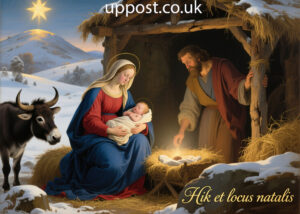
In modern culture, the significance of “Nativität” has evolved. While the religious meaning remains central for many, the term now encompasses broader themes of birth, renewal, and the beginnings of something new. In an increasingly secular world, “Nativität” can be seen as a symbol of hope, family, and togetherness, transcending its religious origins.
Furthermore, the concept of birth in modern times extends beyond human beings. The “birth” of ideas, innovations, and movements is often linked to the idea of Nativität. Whether it’s the founding of a new company, the beginning of a social movement, or the release of a groundbreaking invention, the concept of “Nativität” captures the essence of starting something that has the potential to change the world.
Celebrating “Nativität” Across Different Countries and Traditions
Around the world, people celebrate “Nativität” in unique ways, blending religious, cultural, and familial traditions. In Germany and other European countries, the advent calendar is a central part of Christmas celebrations, with each day leading up to the birth of Christ. The nativity scene, or Krippe, is often placed in homes, churches, and public spaces, reflecting the importance of the nativity story in these societies.
In Latin American countries, the “Nochebuena” celebration is centered around the birth of Christ, where families gather for a midnight feast and to honor the nativity of Jesus. Similarly, in Italy, the “Presepe” (Italian nativity scene) is a major part of Christmas celebrations, with each region showcasing unique variations.
In the United States, Christmas has become more secular, with many people focusing on family gatherings, gift-giving, and festive decorations. However, the tradition of nativity scenes and church services remains central for many Christian families, preserving the religious essence of “Nativität.”
“Nativität” in Art and Literature
Throughout history, “Nativität” has been a popular subject in art and literature. From the Renaissance paintings of the Nativity to modern interpretations in film and literature, the concept of birth and new beginnings has captured the imagination of artists for centuries. Famous works of art, such as Leonardo da Vinci’s “The Adoration of the Magi” and Michelangelo’s sculptures, explore the themes of divine birth and human connection.
In literature, “Nativität” is often explored as a metaphor for renewal and transformation. Authors use the concept of birth to symbolize the emergence of new ideas, characters, or philosophies. The nativity story is frequently revisited in holiday-themed books, poems, and stories, offering new perspectives on this timeless event.
The Future of “Nativität” in a Changing World
As we look to the future, the meaning and significance of “Nativität” may continue to evolve. In a world marked by rapid technological advancements and changing social dynamics, the idea of birth and new beginnings will remain relevant. Whether it’s the birth of a child, the launch of a new idea, or the beginning of a new era, “Nativität” will continue to symbolize hope, renewal, and the potential for transformation.
With global interconnectedness, the celebration of “Nativität” will likely continue to blend diverse traditions and cultures. As societies become more inclusive and accepting of different belief systems, the celebration of birth and new beginnings can foster unity and understanding across cultural and religious divides.
Conclusion
The concept of “Nativität” holds deep cultural, religious, and symbolic significance. While it is most commonly linked to the birth of Jesus Christ in Christianity, its themes of birth, renewal, and transformation resonate across cultures and religions. Whether through nativity scenes, holiday celebrations, or the birth of new ideas and movements, Nativität remains a powerful symbol of hope and the potential for change. As we move forward, its relevance will continue to evolve, offering a unifying force for people around the world to celebrate new beginnings and embrace the future with optimism.
FAQ Section
What does “Nativität” mean?
Nativität is a German term that translates to “nativity” in English. It refers to the birth of a significant figure, often associated with the birth of Jesus Christ in Christianity, but it can also symbolize the origin or beginning of anything noteworthy.
How is “Nativität” celebrated around the world?
Nativität is celebrated in various ways, depending on the culture. In Christian traditions, it is most closely associated with Christmas, where nativity scenes and church services are common. In some countries, such as Italy and Spain, elaborate nativity scenes are displayed, while in Latin America, family gatherings and feasts are common.
Why are nativity scenes important?
Nativity scenes serve as both religious symbols and cultural traditions. They depict the birth of Jesus and are used to reflect on themes of hope, family, and the spirit of Christmas. They also represent the universal concept of birth and renewal.
How has “Nativität” evolved in modern times?
In modern times, Nativität transcends its religious origins. It symbolizes new beginnings, hope, and transformation. People today associate “Nativität” with not just the birth of religious figures but also the start of new ideas, innovations, and social movements.
Can “Nativität” be celebrated outside of Christianity?
Yes, while “Nativität” is deeply rooted in Christian tradition, the themes of birth, renewal, and origin are universal. Many cultures celebrate the concept in different ways, linking it to new beginnings, familial bonds, and the start of significant events.
Also Read : Discovering the Delights of Calamariere: A Culinary Journey