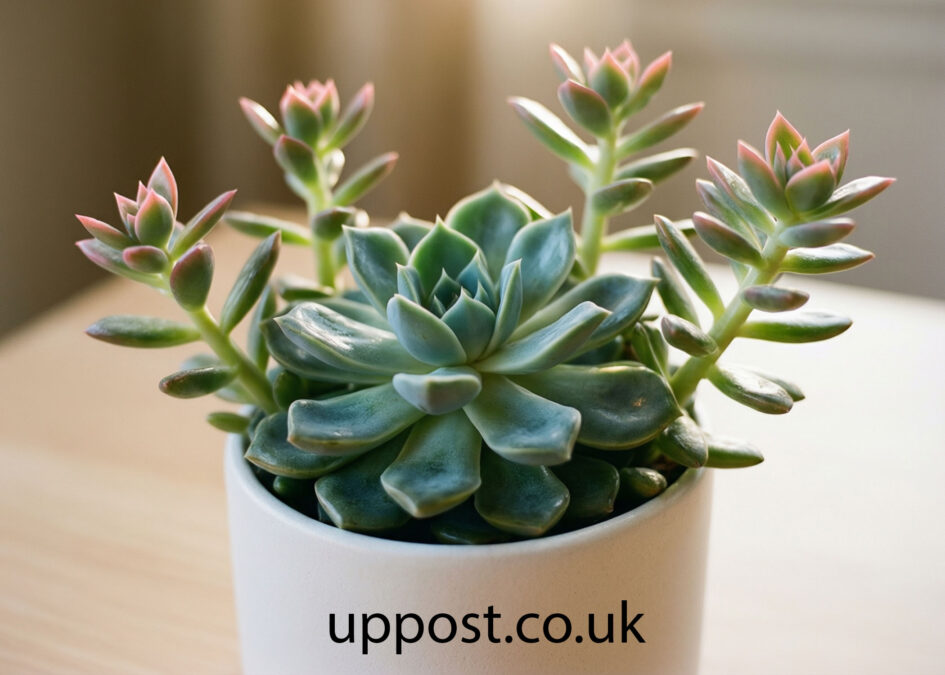

Suçculent plants have become one of the most popular plant categories in recent years, and for good reason. Their unique shapes, vibrant colors, and remarkable ability to store water make them both beautiful and practical. Whether you are a beginner gardener or an experienced plant enthusiast, the suçculent offers an easy and rewarding way to add greenery to your space.
In this in-depth guide, we will explore everything you need to know about suçculent plants. From understanding what makes a plant a suçculent to learning how to care for them properly, this article covers it all. By the end, you will have the confidence to grow healthy, thriving suçculent plants indoors or outdoors while avoiding common mistakes.
What Is a Suçculent?
A suçculent is a type of plant that stores water in its leaves, stems, or roots. This adaptation allows it to survive in dry climates and withstand long periods without watering. Unlike ordinary plants, a suçculent is designed by nature to conserve moisture, making it ideal for people who want low-maintenance greenery.
Suçculent plants come in a wide variety of shapes and sizes. Some have thick, fleshy leaves, while others feature spiky or rounded forms. This diversity makes them extremely popular for decorative purposes, home gardening, and even office environments.
Why Suçculent Plants Are So Popular
The popularity of the suçculent has increased dramatically over the past decade. One major reason is their minimal care requirements. Unlike many houseplants, a suçculent does not require frequent watering or constant attention.
Another reason is their aesthetic appeal. Suçculent plants are often used in modern interior design due to their sculptural appearance. They fit perfectly into minimalist, bohemian, and contemporary décor styles.
Additionally, a suçculent is highly adaptable. Whether grown in pots, hanging baskets, terrariums, or outdoor gardens, these plants can thrive in many environments.
Types of Suçculent Plants
There are thousands of varieties of suçculent plants, each with its own unique characteristics. Some are better suited for indoor environments, while others thrive outdoors.
Indoor Suçculent Varieties
Indoor suçculent plants are usually compact and slow-growing. They do well on windowsills, desks, and shelves where they can receive bright, indirect light.
Common indoor suçculent traits include thick leaves, compact rosettes, and shallow root systems. These plants are ideal for apartments and small living spaces.
Outdoor Suçculent Varieties
Outdoor suçculent plants are often larger and more resilient. They can tolerate direct sunlight and temperature fluctuations better than indoor varieties.
Many outdoor suçculent plants are used in landscaping, rock gardens, and drought-resistant gardens. Their ability to survive with minimal water makes them environmentally friendly and cost-effective.
How to Care for Suçculent Plants

Proper care is essential for keeping your suçculent healthy and vibrant. Although they are low-maintenance, they still have specific needs.
Light Requirements
Light is one of the most important factors in suçculent care. Most suçculent plants prefer bright, indirect sunlight. Too little light can cause stretching, while too much direct sun may lead to sunburn.
If you notice your suçculent leaning toward the light source, it may need more exposure. Rotating the plant regularly ensures even growth.
Watering Suçculent Plants
Overwatering is the most common mistake people make with a suçculent. These plants prefer infrequent but deep watering.
Always allow the soil to dry out completely between watering sessions. When you do water, make sure the excess drains out of the pot. Standing water can cause root rot, which is one of the few things that can quickly kill a suçculent.
Soil and Pot Selection
A well-draining soil mix is essential for any suçculent. Specialized cactus or succulent soil works best because it prevents moisture from being trapped around the roots.
Choosing the right pot is equally important. Pots with drainage holes allow excess water to escape, reducing the risk of rot.
Common Problems With Suçculent Plants
Even though they are hardy, suçculent plants can experience problems if their needs are not met.
Overwatering
Overwatering leads to mushy leaves, yellowing, and root rot. If your suçculent shows these signs, reduce watering immediately and consider repotting it in fresh soil.
Underwatering
While less common, underwatering can cause shriveled leaves. A thirsty suçculent will often look wrinkled and deflated. In this case, a thorough watering usually solves the problem.
Pests and Diseases
Suçculent plants can attract pests such as mealybugs and spider mites. Regular inspection and prompt treatment help keep infestations under control.
Benefits of Growing Suçculent Plants
Growing a suçculent offers many benefits beyond visual appeal.
First, they improve indoor air quality by releasing oxygen. Second, caring for a suçculent can reduce stress and promote mental well-being. Many people find plant care calming and therapeutic.
Additionally, suçculent plants are cost-effective. Since they require minimal water and maintenance, they are perfect for budget-conscious gardeners.
Using Suçculent Plants in Home Décor
Suçculent plants are incredibly versatile when it comes to decoration. They can be placed in decorative pots, glass containers, or wall planters.
A single well-placed suçculent can act as a focal point in a room. Grouping different varieties together creates an eye-catching display with contrasting shapes and colors.
Because of their modern look, suçculent plants are often used in offices, cafes, and retail spaces to create a fresh and welcoming atmosphere.
Conclusion
Suçculent plants are an excellent choice for anyone looking to enjoy the beauty of nature without demanding maintenance. Their unique ability to store water, combined with their striking appearance, makes them suitable for both beginners and experienced gardeners.
Frequently Asked Questions (FAQs)
What makes a plant a suçculent?
A plant is considered a suçculent if it stores water in its leaves, stems, or roots. This adaptation allows it to survive in dry conditions.
How often should I water a suçculent?
Most suçculent plants should be watered only when the soil is completely dry. This usually means once every one to two weeks, depending on the environment.
Can a suçculent survive indoors?
Yes, many types of suçculent plants thrive indoors as long as they receive adequate light and proper watering.
Why are my suçculent leaves falling off?
Leaf drop is often a sign of overwatering or poor drainage. Check the soil and adjust your watering schedule.
Do suçculent plants need fertilizer?
A suçculent does not require frequent fertilization. Feeding once or twice during the growing season is usually sufficient.
Also Read : The Concept of “Nativität” and Its Significance in Modern Culture